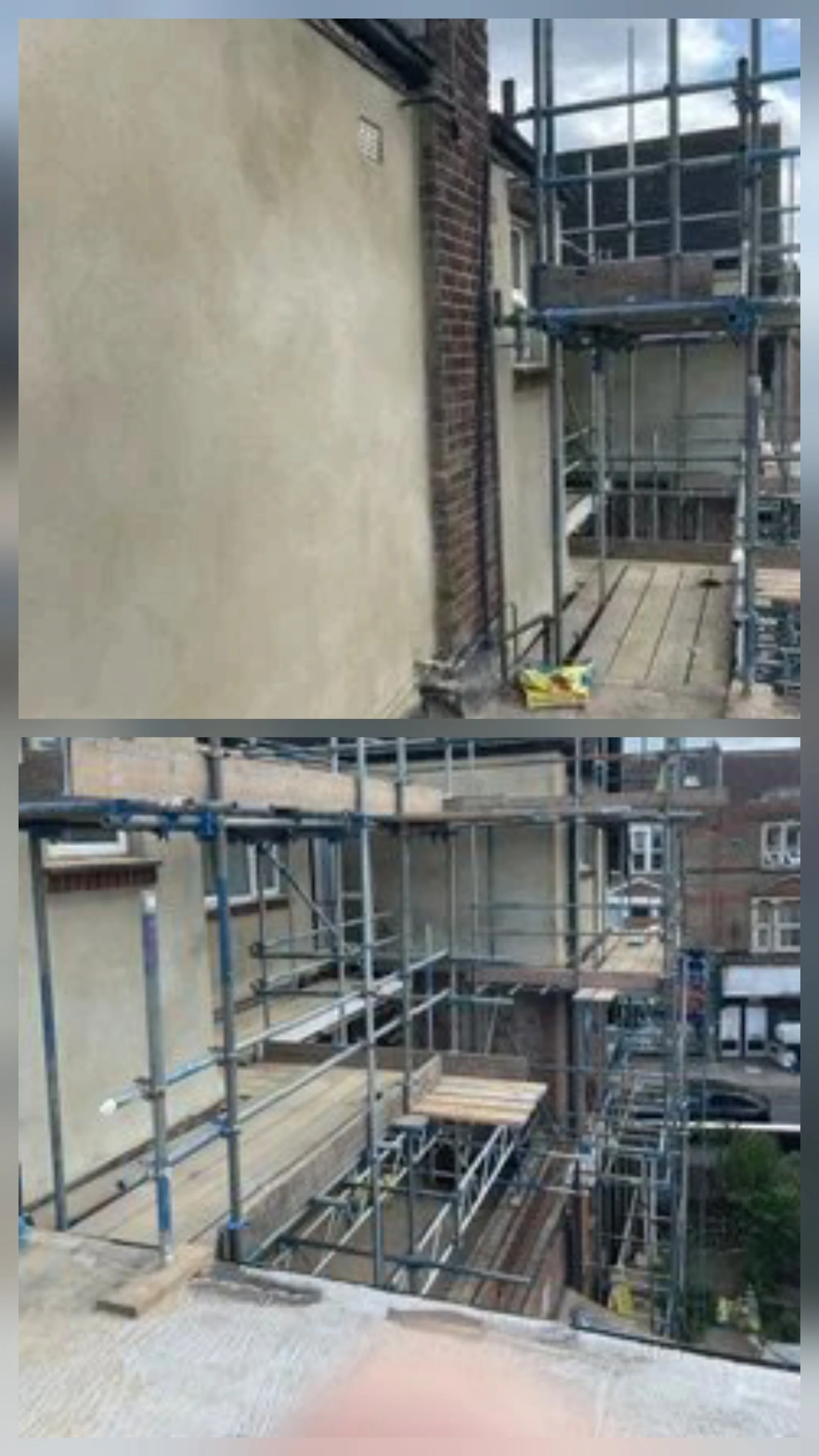
INTRODUCING - A Class Damp Proofing & Preservation - YOUR TRUSTED CONSTRUCTION PARTNER
Why Work With A Class Damp Proofing & Preservation?
✔ Quality workmanship – We take pride in delivering work to a high professional standard.
✔ Reliable service – We understand the importance of keeping projects moving and communicating throughout the process.
✔ Competitive quotations – We aim to provide clear, transparent pricing with no unnecessary surprises.
✔ Professional approach – From the initial enquiry through to completion, we keep our clients informed and involved.
✔ One point of contact – We make the process easier by providing coordinated support throughout your project.
Our goal is not simply to complete a job. We want to become the contractor you can confidently call for your next project and recommend to others.
A Class Damp Proofing & Preservation
Next-generation construction solutions designed to disrupt the status quo and redefine what’s possible on every jobsite.
Visionary On-Site Services
Choosing the right company to protect your property is a big decision. At A Class Damp Proofing & Preservation, we understand this, and we're confident that our decades of experience, professionalism and our commitment to customer satisfaction make us the ideal choice for all your property preservation needs.
Secure Your Spot on the Schedule
Our calendar fills quickly—lock in a consultation and accelerate your next project’s success.
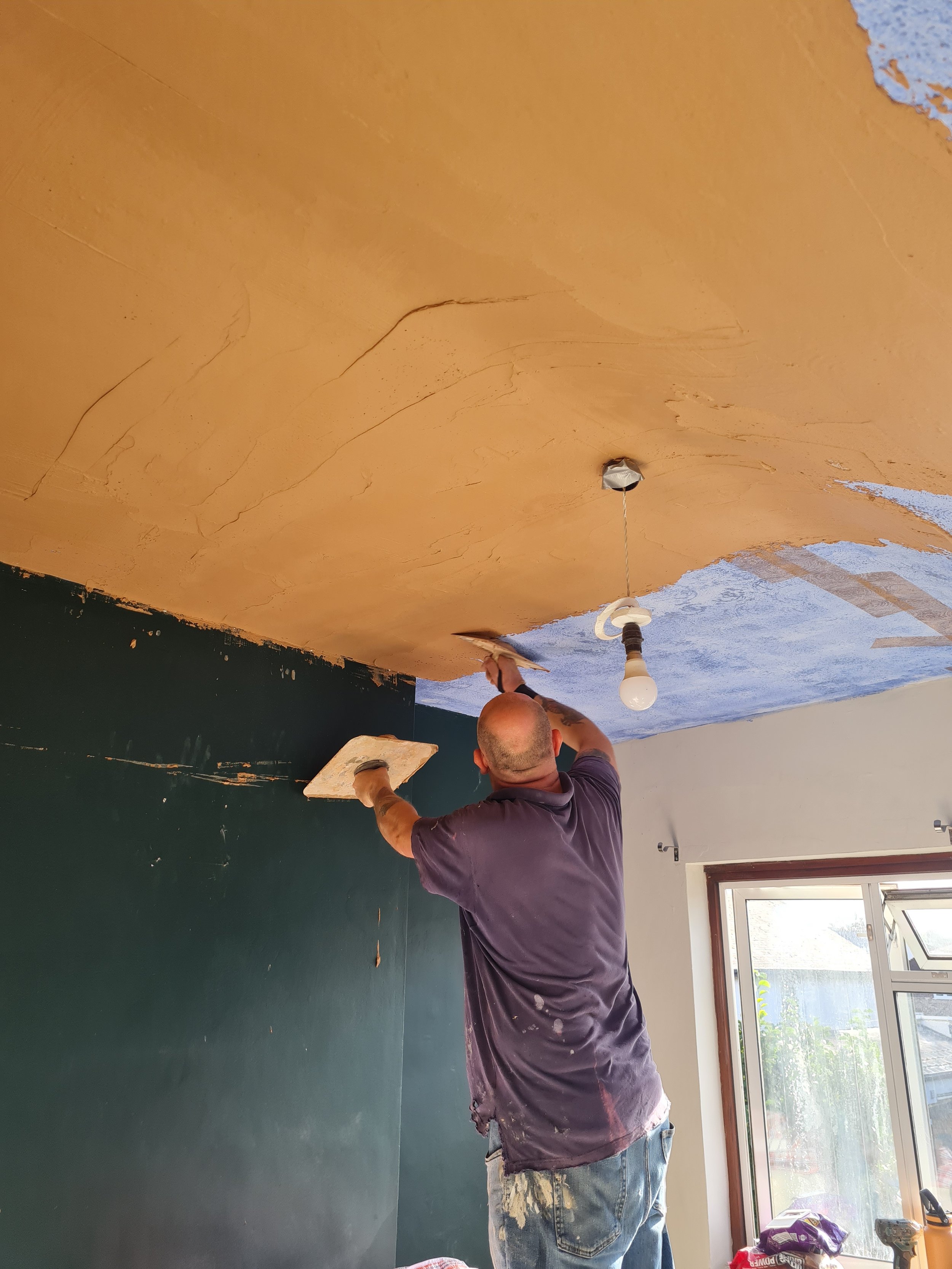
Damp Proofing - Rendering - Plastering - Build Works - Dry Rot - Tanking - Repairs - Woodworm - Decorating - Landscaping
Damp Proofing - Rendering - Plastering - Build Works - Dry Rot - Tanking - Repairs - Woodworm - Decorating - Landscaping
Evolving Construction for a Better Future
We champion breakthrough technologies and pioneering methods to raise the bar for safety, speed, and sustainability.
Our mission: disrupt outdated practices and empower forward-thinking builders to create resilient spaces that stand the test of time. Discover Our Story
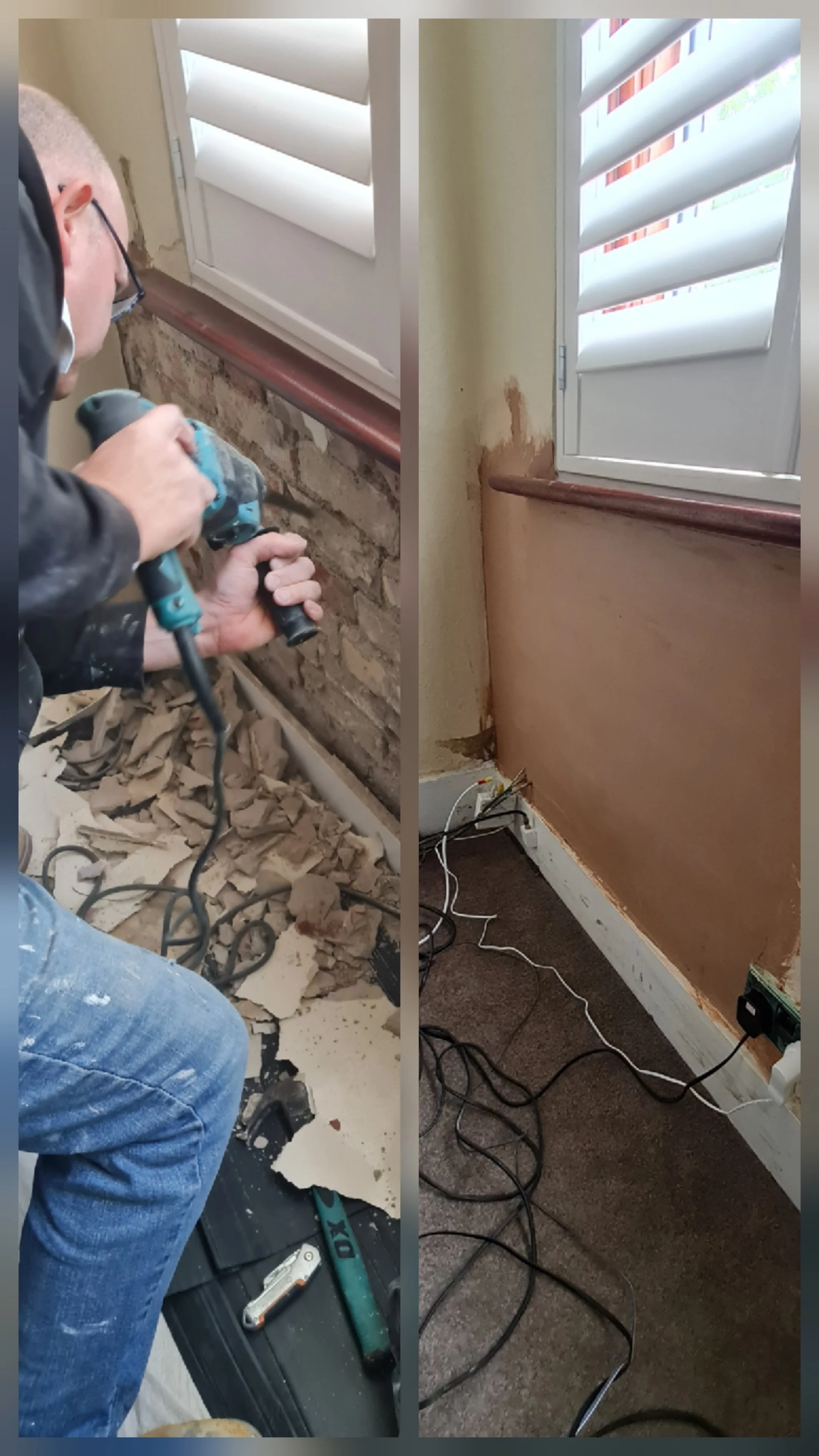
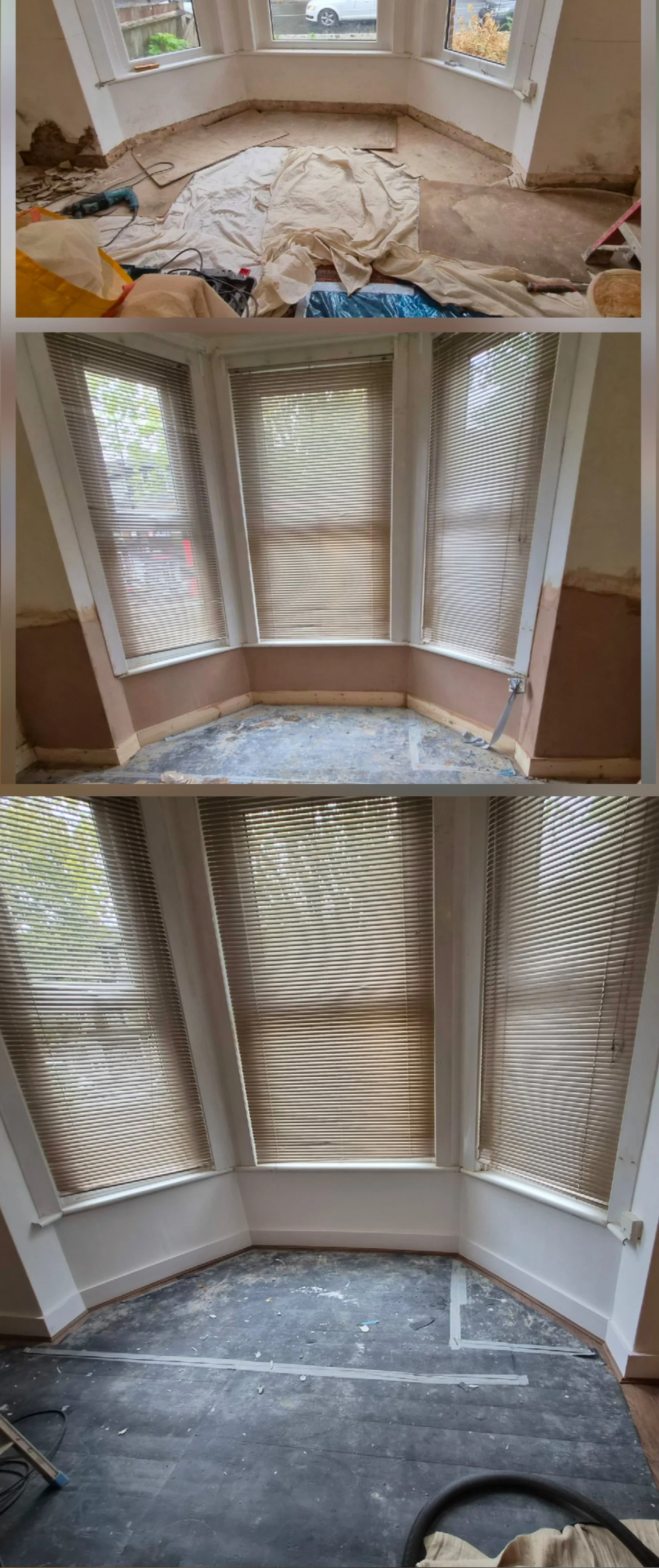
Damp in homes and offices is caused by excess moisture building up inside a building or water entering from outside. When moisture cannot escape or the building cannot dry out properly, it can lead to damp patches, mould, condensation, peeling paint and musty smells.
There are several main causes of damp, and identifying the correct one is important because each requires a different solution.
1. The main types of damp
1. Condensation
This is one of the most common causes of damp in homes and offices.
It occurs when warm, moist air comes into contact with cold surfaces, such as windows, walls and ceilings.
Common causes:
Poor ventilation.
Drying clothes indoors.
Cooking and showering.
Insufficient heating.
Too many people in poorly ventilated rooms.
2. Rising damp
This happens when moisture from the ground travels upwards through walls by capillary action.
Common causes:
A missing or damaged damp-proof course (DPC).
Bridged damp-proof courses.
High external ground levels.
Poor drainage around foundations.
It is generally associated with dampness near the bottom of ground-floor walls.
3. Penetrating damp
This occurs when water enters a building through its external structure.
Common causes:
Damaged roof tiles.
Leaking gutters and downpipes.
Cracked external walls or pointing.
Damaged window seals.
Defective flashing.
Leaking pipes.
It can affect walls, ceilings and floors.
4. Construction and structural moisture
Moisture can also become trapped within building materials.
Common causes:
Poor building design.
Inadequate insulation.
Construction materials that have not dried properly.
Defective cavity wall insulation.
Poor detailing around windows and roof structures.
2. Common causes of damp in offices
Offices can experience damp for slightly different reasons from residential properties.
Cause
How it contributes to damp
Poor ventilation
Moisture accumulates indoors.
Air-conditioning problems
Can cause condensation or drainage leaks.
Leaking plumbing
Introduces water into walls, ceilings and floors.
Roof defects
Allows rainwater to enter.
High occupancy
People release moisture through breathing.
Poor insulation
Creates cold surfaces where condensation forms.
Inadequate maintenance
Allows small leaks and defects to develop into major problems.
3. Other factors that contribute to damp
Some additional factors can make damp worse:
Poor building orientation: Walls receiving little sunlight may remain cold and damp for longer.
Blocked air bricks: Restrict ventilation beneath suspended timber floors.
Furniture against external walls: Reduces air circulation and encourages condensation.
Defective drainage: Allows water to collect around the foundations.
Undertaking building works: Wet plaster, concrete and other construction materials can release moisture as they dry.
Climate: Prolonged rainfall, high outdoor humidity and cold weather can increase moisture problems.
4. How to identify the type of damp
These are some common warning signs:
These are indicators rather than definitive diagnoses. Several types of damp can produce similar symptoms.
5. How to prevent damp in homes and offices
The most effective preventative measures include:
Ensure adequate ventilation through extractor fans, air vents and opening windows.
Maintain consistent indoor heating to reduce cold surfaces.
Repair leaking roofs, gutters, pipes and external walls.
Ensure external ground levels and drainage are appropriate.
Install suitable insulation to reduce cold bridging.
Avoid excessive indoor moisture from cooking, bathing and drying clothes.
Maintain air circulation behind furniture and around external walls.
Investigate and resolve water ingress rather than simply covering damp patches with paint.
Important: Simply treating mould or applying waterproof paint does not necessarily solve the underlying damp problem. The source of moisture needs to be identified and corrected.
6. Why damp matters
Damp buildings can have consequences for both occupants and the building itself.
Health: Damp and mould can contribute to respiratory problems, allergies and asthma.
Building fabric: Plaster, paint, timber and masonry can deteriorate.
Energy efficiency: Damp materials can make buildings harder to heat.
Working environment: Musty smells and poor indoor air quality can affect comfort and productivity.
Financial costs: Repairs can become expensive if damp is left untreated.
The key principle: Damp is a symptom of a moisture problem. The priority should always be to establish where the moisture is coming from, why it is accumulating and how to prevent it from returning.
If you're looking at this from a building maintenance, property management or facilities management perspective, I can also explain how to carry out a professional damp investigation and building moisture survey, including the equipment, tests and reporting methods used.
Sign
Water droplets on windows
Black mould around windows
Damp Patches at the bottom of walls
Localised wet patches
Dampness that worsens after rainfall
Musty smell